Spend any time on an Australian building and construction site and two invisible threats follow you anywhere: dangerous substances and electrical power. You do not constantly see them, scent them, or hear them, however they are just as efficient in finishing a job as a fall from elevation or a breaking down trench.
That is why the nationwide building induction, CPCWHS1001 Prepare to function securely in the building industry, keeps returning to these two styles. Whether you are being in a white card course in Adelaide, Darwin, Hobart or Perth, the principles coincide. Before anybody hands you a https://remingtonrxql421.iamarrows.com/online-vs-face-to-face-can-i-do-the-white-card-course-online-in-my-state-1 labourer white card or a woodworkers white card, you must show you comprehend exactly how dangerous compounds and electrical systems can injure you, and what risk-free work appears like in practice.
I have seen brand new pupils, engineers, shipment drivers and movie staff walk right into general building induction training assuming the dangers are all about ladders and PPE. They appear stunned at just how much time we invest in dust, chemicals, and temporary power. There is a factor. The long term damages from compounds, and the abrupt shock or fire from electrical faults, are two of the most common strings going through severe cases on building and civil sites.
This post goes through just how those subjects match white card training and, much more significantly, what they look like on real tasks, from residential remodellings to mining and framework work.
Where hazardous substances and electrical power sit in White Card training
The CPCWHS1001 training course is the national system of proficiency that underpins the Australian white card. Different states and areas plan it a little in different ways, and the card itself looks a bit various in NSW, Queensland, Victoria or South Australia, but the web content stays straightened to that a person unit.
Hazardous compounds and electric security show up throughout numerous components of the training, not just in a single component. When you sit a white card course in Adelaide, Hobart or Darwin, you will certainly see them in:
- discussions around usual building and construction dangers examples of construction emergency procedures risk evaluation activities using the hierarchy of control case researches of real occurrences entailing dirt, chemicals and power tools
Trainers will generally connect these subjects to your future trade or role. Electricians, plumbers, carpenters, painters, plant drivers, property surveyors and task supervisors all encounter the same underlying threats, yet from somewhat various angles. Whether you are new to building and construction, originating from a property or shipment chauffeur history, or entering a building and construction instruction, the core expectations are shared.
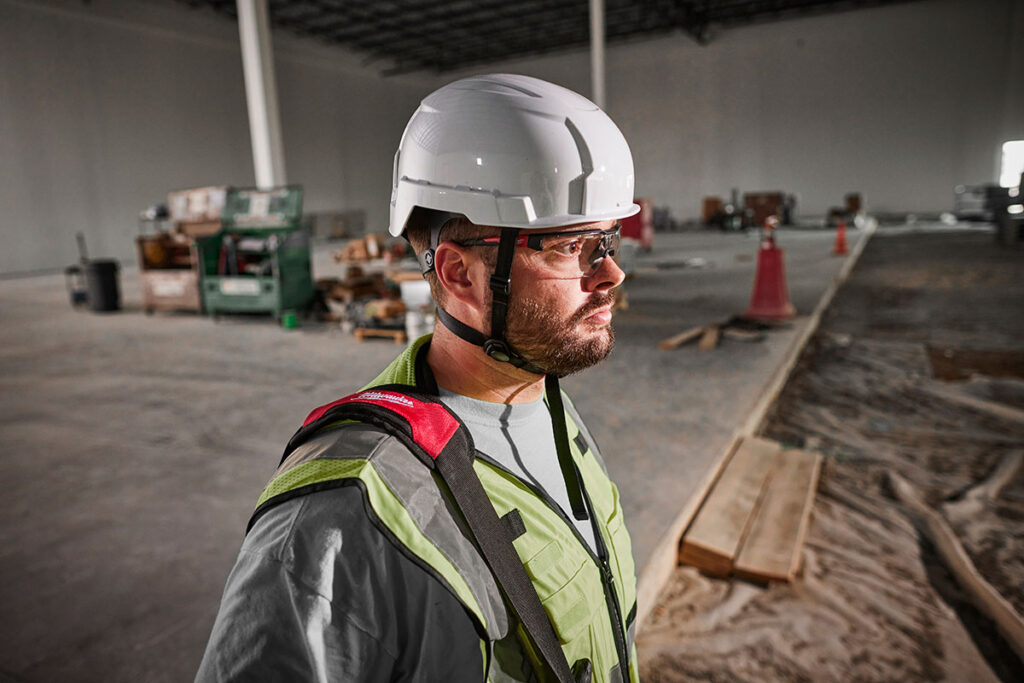
An excellent white card course, whether corporate white card training for a large labor force or a small team white card session for pupils, must stay clear of dry concept. It should put you in scenarios: exploration right into a wall with unidentified services, cutting concrete in a light wind, sweeping up dust building websites left after a demo task. That is where dangerous substances and electric safety become real.
Hazardous materials on Australian building sites
When we speak about hazardous materials construction employees meet, individuals usually consider drums of chemicals lined up in a plant room. In reality, the most dangerous materials are often the ones developed right into the products and procedures we deal with as everyday.
On typical structure and civil websites you are likely to come across:
Concrete and stonework dust. Reducing, grinding or chasing concrete, blocks, pavers and fiber concrete releases great dirt that includes silica. Silica dust building and construction websites are currently among the most significant long-term health worries in the industry. Dry cutting without controls can produce degrees of respirable crystalline silica that go beyond risk-free restrictions within minutes.
Asbestos in older structures. Lots of pre‑1990 frameworks include asbestos in eaves, wall surface linings, pipelines, vinyl ceramic tiles, roof covering and switchboards. On asbestos building websites the primary rule is basic: if you presume asbestos, stop and have it evaluated. Drilling or destroying asbestos without controls can trigger irreversible lung illness decades later on. It does not hurt today, which makes it more dangerous than a twisted ankle joint or cut finger.
Solvents, adhesives and paints. From waterproofing membrane layers to hardwood coatings and spray paints, many products contain unstable natural compounds. Utilized in improperly aerated rooms, they can irritate the respiratory system, impact the central nerve system and, in severe cases, produce surge dangers if vapours satisfy an ignition source.
Acids, alkalis and cleaning up agents. Block cleansers, etching agents, concrete eliminators and commercial cleansers can create burns and eye damages on call. I have seen brand-new labourers deal with "simply a cleaner" with bare hands on a warm day and wind up in the first aid area with blistered skin.
Fuels and oils. Diesel, petroleum and hydraulic oils might seem much less exotic, but they bring fire and ecological dangers. A leaking fuel transfer on a limited suv site can swiftly turn into a slip risk, a fire hazard and an area problem otherwise managed.
White card training does not intend to make you a chemist. Its work is to instruct you just how to recognise when something is possibly dangerous, just how to discover and check out the info that matters, and exactly how to act smartly if something spills, dashes or becomes airborne.
Safety information sheets, tags and actual decisions
During CPCCWHS1001 training you will probably work through examples of safety data sheets (SDS) and tags. The objective is not to memorise every risk icon, yet to discover where to look when you first fulfill a new product.
On an online website, the behavior I pierce right into new workers is basic: before you open a container or lots a spray gun with an item you have not made use of prior to, locate its SDS and examine four key things in ordinary language.
First, what does it do to you. Eye damages, skin burns, respiratory sensitisation or cancer cells danger all need different degrees of treatment. Second, what manages the producer anticipates. This could consist of needed PPE, minimum air flow, or whether a product can be sprayed or brushed. Third, what to do if something fails. You desire those first aid guidelines in your head prior to something goes in your eye, not after. Fourth, just how to keep and take care of it. Some items can not be saved in the sun or mixed with various other chemicals; some come to be a lot more unsafe if they dry in a container.
Construction site indications sustain this. On much better run jobs, you will certainly see clear signs around areas where hazardous substances are kept or used: marked blending locations, flammable fluid stores, asbestos elimination areas. Throughout white card training we highlight these indicators and link them to the policies that rest behind them.
Silica and asbestos: sluggish burn, long-term damage
Among all harmful compounds on construction sites, 2 deserve special focus: silica dirt and asbestos. I spend even more time on these in white card training than on almost any other product subject, due to the fact that the health results are both extreme and irreversible.

Silica is baked right into the products we enjoy: concrete, bricks, ceramic tiles, crafted stone. When reduced or ground, it launches great respirable particles that lodge in the lungs. In time, heavy direct exposure can create silicosis and add to lung cancer. Notably, this is a cumulative threat. Eventually of poor practice will certainly not typically place you in health center, yet twenty years of dry cutting without controls is a different story.
Asbestos is also quieter. Several tradespeople that worked on asbestos building sites in the 1970s and 1980s are only currently feeling the results. Mesothelioma cancer, a cancer cells strongly connected to asbestos, can take years to arise. That is why regulatory authorities in every state treat any thought asbestos work as a major issue.
During a white card course in Hobart or Perth you will certainly not be certified to remove asbestos, however you have to reveal construction induction morphett vale that you can identify the danger and follow procedure. That implies stopping work if you believe an asbestos including material, educating your supervisor quickly, and valuing exemption areas as soon as established. The same reasoning applies to silica: if your manager advises you to damp cut, make use of on‑tool extraction and wear a P2 mask, that is not optional.
Practical controls: more than "just wear PPE"
One of the traps in fundamental WHS interaction construction workers listen to is the overuse of personal protective equipment as a catch all remedy. White card training emphasises the hierarchy of control because PPE rests near the bottom for a reason.
For harmful compounds, higher level controls include getting rid of certain items, replacing more secure solutions, isolating dirty jobs, and utilizing engineering controls like on‑tool extraction or local exhaust ventilation. Administrative controls after that cover training, clear treatments and job sequencing that reduces exposure time.
PPE remains part of the photo, especially on hectic sites where not every little thing can be crafted away. Typical instances include P2 respirators for dust and silica, chemical resistant gloves, sprinkle goggles when dealing with acids, and non reusable coveralls in asbestos removal zones.
The crucial message in CPCWHS1001 is this: PPE only functions if it fits, if it fits the threat, and if you actually use it when the exposure occurs. A respirator took down around your neck while you "quickly" reduced a piece not does anything for your lungs.
Electrical safety and security: why momentary power is not to be trusted
If harmful compounds are the sluggish burn threat, electricity is the quick punch. On Australian websites, electrical safety construction policies are driven by one standard reality: short-lived power systems obtain abused.
Leads are dragged via puddles, squashed under scaffolds and hidden in dirt and debris. Momentary switchboards are revealed to weather and consistent reconfiguration. Mobile devices alter hands all day. That is why we treat all construction power with suspicion, even if a qualified electrician mounted it the previous week.
During CPCWHS1001 training, we break electrical dangers into a couple of common patterns.
Contact with online parts. This could be a harmed expansion lead, a missing cover plate on a momentary board, or an improperly separated piece of plant. The worker could not even become aware the part is online up until they touch it or a device bridges the gap.
Striking underground or overhanging solutions. Excavators striking buried wires, scaffolds speaking to above lines, and cranes breaching exclusion areas are classic high repercussion occasions. On civil sites and bigger structure projects, proper service situating and permit systems are critical.
Faulty portable equipment. Portable tools, welders, lights and pumps lose on building and construction tasks. If examination and tag routines slide, or workers maintain "simply another usage" out of a suspect device, faults can go undetected.
Improvised setups. I still see multi boards daisy chained off each various other, power factors overwhelmed, and non‑construction rated leads strung throughout damp ground. These are specifically the situations the white card is trying to educate out of the culture.
Ground mistake security, generally through recurring existing gadgets (RCDs), gives an important layer of defence. But the behavior of routine monitoring rests with every worker, not just the sparkies.
Here is a brief pre usage check that I motivate individuals to take from the class to site:
- Inspect the lead and plug for cuts, squashed areas, revealed wires or tape repair services. Confirm the examination and tag remains in date and readable. Check the RCD examination button prior to starting job, where achievable. Keep connections out of pools, slurry and locations where cars travel. If something tingles, trips consistently or scents hot, remove it from service and record it.
Those 5 actions alone would get rid of a big piece of the electrical events I have checked out over the years.
Lockout, isolation and regard for certified work
Another core message in white card training is extent. Not every person with a construction induction card is permitted to do electric work. Permits and allows exist for a reason.
For instance, a task manager, woodworker, or labourer with a construction white card need to never ever make a decision to open up a switchboard, re terminate a cable or bridge a safety and security gadget. Electric operate in Australia is tightly managed. Only accredited electrical contractors might perform it, under the relevant building permits Australia wide.
What you are expected to do, despite your duty, is regard seclusion treatments and do your component to keep others safe. That includes:
Recognising lockout tags and threat tags, and comprehending that you must not energise devices that somebody else has isolated. Interacting prior to you start job where there is any type of chance of contact with real-time services, such as exploration, saw reducing or excavation. Complying with designated secure method ranges to overhanging lines and respecting spotters and barricades. Reporting any damage to electric devices immediately, also if it seems minor.
On some websites, specifically in mining or large framework, these expectations are formalised in license to function systems. White card training will not turn you into a license policeman, yet it will prepare you to operate within these controls without reducing corners.
When unsafe materials and electric security collide
One reason CPCWHS1001 treats dangerous materials and electric safety and security as core content is that they typically overlap. That crossway is where lots of significant fires and surges begin.
Think of a painter making use of combustible solvent based products in an enclosed space, then plugging in a portable halogen light or warmth weapon. Or an employee decanting gas near a short-lived switchboard. Or grinding near a drum of sticky that vents flammable vapours. Include a bit of warm, a stray trigger or an unprotected warm surface and you have an ignition source.
The controls here are not complicated, but they do call for planning: separate ignition resources from flammable vapours, guarantee air flow, store gas appropriately, and make use of inherently risk-free tools where required. Throughout white card training courses, instructors frequently utilize study of fires that started from such combinations to drive the point home.
How these topics show up in White Card assessment
Many people ask "Is the white card course hard?" The solution is typically no, given you pay attention and participate. White card assessment does not need technological estimations; it examines that you can use fundamental security principles in reasonable situations.
Hazardous substances concerns could ask you to recognize the right PPE for a task, pick the right response to a chemical dash, or analyze a simple SDS remove. Electric security concerns might cover what to do if tools journeys repeatedly, or how to react if somebody receives an electrical shock.
Some program providers distribute practice white card examinations or white card concerns and solutions PDFs. Use them to familiarise yourself with the design of question, not to memorise responses. Each scenario depends upon context. For example, the best move after a spill of a light cleaner differs from a launch of focused acid. The same opts for electrical occasions: the top priority when you see smoke from a tool is different from when a carbon monoxide worker is adhered to a live conductor.
For CPCCWHS1001 white card assessments, trainers likewise check out your engagement in conversations and group activities. In face to face sessions in Adelaide, Darwin, Morphett Vale, Salisbury or Hobart, that can consist of showing how to put on a respirator, describing your thinking during a risk analysis, or interpreting construction website indicators correctly.
Online versus one-on-one: can you discover this from a screen?
The inquiry "Can I do white card online?" Shows up in nearly every information session. The response relies on the state or territory.
Some territories, such as Queensland and Western Australia, enable on-line white card training via approved suppliers, while others, including New South Wales and Victoria, require one-on-one distribution or live online class with strict identity checks. North Area and South Australia allow a mix of alternatives, yet still impose criteria on white card training Darwin or Adelaide based carriers must meet.
The factor regulators in some cases press back on purely on the internet delivery is experience. Dangerous materials and electrical security gain from hands on demos and conversation. It is one thing to review a harmed lead or a badly suitable respirator; it is one more to hold one, see it, and be dealt with by a knowledgeable fitness instructor when you miss something.
Whatever mode you choose, look for a white card course Australia wide that does more than review slides at you. Good instructors will share genuine cases from local websites in Port Adelaide, Brisbane, Sydney, Canberra or the Gold Shore, and ask you to consider loud concerning your decisions. That is where the learning sinks in.
From card in your pocket to routines on site
Once you have finished the CPCWHS1001 training course and obtained your construction induction card, whether it is a SA white card, NT white card, VIC white card, WA white card or NSW white card, the real examination begins. Carrying the card meets the basic company requirement for building jobs white card sensible, yet it does not maintain you safe on its own.
The practices that matter for hazardous compounds and electrical security are commonly tiny and repeated. Some instances from genuine sites:
A very first year apprentice brickie in Adelaide who rejected to utilize a completely dry mill on pavers after remembering the unit's section on silica. He requested for a wet reducing setup and a vac. It slowed down the work by half an hour, but the forewoman backed him because he understood the regulatory warm around silica exposures.
A shipment driver white card owner who turned around and reported a leaking drum of unknown fluid on the back of his truck as opposed to attempting to re pile it himself. That simple decision prevented a skin get in touch with and allowed the website to utilize the SDS and spill set properly.
A painter on a Hobart white card course who later on noticed raw insulation on an expansion lead encountering a damp piece. As opposed to tape it and maintain going, he labelled it out and called the site electrical contractor. That lead ended up to have interior conductor damage.
None of those actions were brave. They were quiet applications of the same principles educated in every respectable white card course near you throughout Australia: identify the danger, analyze the threat, use controls, and communicate.
What managers and businesses can reinforce
If you are a manager, task supervisor, or business owner, white card training is your beginning point, not your goal. New employees show up on site with a standard understanding of harmful substances and electrical security. Your systems either enhance that understanding or wear down it.
You can sustain the appropriate behaviours by making sure SDS folders or electronic gain access to are current and very easy to find, maintaining your test and tag and RCD upkeep programs disciplined, buying the ideal dust controls and extraction for high danger tasks, and backing workers that stop briefly to raise safety and security concerns, even when the timetable is tight.
Many business arrange team white card courses or corporate white card training so that teams share the same standard expertise. The very best go additionally and run routine tool kit talks on details subjects like silica, asbestos, and momentary power. They share their very own event knowings instead of waiting for an examiner to prompt change.
Over time, that pays off not just in less injuries and diseases, yet in smoother work. Crews who plan for risks ahead of time normally stay clear of the closed downs, examinations and rework that comply with avoidable incidents.
Bringing it with each other on genuine sites
Hazardous materials and electrical safety and security are not abstract topics reserved for classroom conversation. They belong to daily decisions on any kind of building and construction task, from a little residential remodelling in rural Adelaide to a multi billion dollar civil job in the Northern Territory.
The Australian white card, secured in CPCWHS1001 Prepare to work safely in the building and construction industry, exists to make those choices more educated. It can not forecast every situation, yet it can offer workers a mental structure: respect the compounds that can damage your lungs and skin, deal with all electric systems as potentially dangerous, and never be reluctant regarding asking inquiries prior to you reduced, drill, pour, blend or plug something in.
If you carry that attitude from your white card training onto site, then unsafe materials and electrical power come to be convenient threats instead of constant risks. The distinction frequently lies in one small choice made at the right time, by a person that took note during that initial day of training.